WELCOME TO PRIMESHOP!

Buy Imported Best Sunblock in Pakistan for Every Skin Type


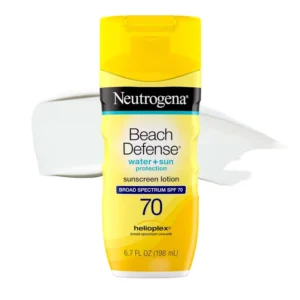
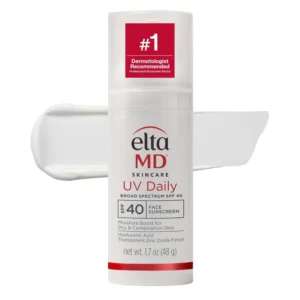


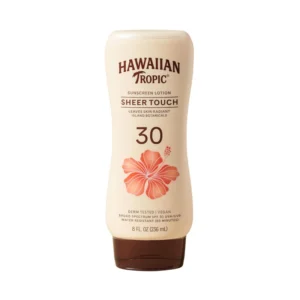
What You Will Find In This Sun Care Lineup
Sun protection tends to get skipped until skin starts showing the damage, dark spots, fine lines, that dull tired look after too many afternoons outside. This collection is built around fixing that before it turns into a bigger problem. A good sunblock comes down to a handful of things that actually matter, SPF, coverage type and how it feels on your skin, not the flashiest bottle on the shelf. Whether your skin leans oily, dry or somewhere in between, there is a formula here that fits without the guesswork.What SPF And Broad Spectrum Actually Mean For Sunblock
SPF is really just a measure of how long UVB rays take to burn protected skin compared to bare skin. Bump the number from 30 to 50 and the real difference is smaller than the marketing suggests. What matters more is broad spectrum coverage, since that is what shields skin from UVA rays too, the ones behind wrinkles and long term damage rather than just sunburn. Most dermatologists land on SPF 30 or higher with broad spectrum on the label, then remind everyone that reapplying every two hours outdoors matters just as much as the number itself.Physical Filters Versus Chemical Filters
Zinc oxide and titanium dioxide are mineral filters that help protect the skin from UV rays. They sit on the skin's surface and bounce UV rays away rather than soaking in. Chemical filters work the opposite way, absorbing UV rays and turning them into a small amount of heat the skin releases. Physical formulas tend to suit sensitive or acne prone skin better since nothing needs to be absorbed. Chemical ones feel lighter and sit better under makeup, which is why a lot of people reach for them day to day. Neither wins outright. It depends on what your skin tolerates.What Tends To Work Best On Oily Skin
Oily and acne prone skin usually does better with something oil free and non-comedogenic. Anything heavy just adds to the shine by midday. Gel and water-based formulas sit lighter and keep pores clearer than a thick cream ever will. Zinc oxide-based options are worth a look too, since zinc carries some mild anti-inflammatory benefit alongside the sun protection. CeraVe Sunscreen comes up often here, mostly because it stays lightweight without feeling greasy by the afternoon.What Tends To Work Best On Dry Skin
Dry skin needs a formula that adds moisture rather than one built purely to mattify. Cream based sunscreens with ceramides or hyaluronic acid help stop that tight, flaky feeling dry skin gets after too much sun. La Roche-Posay Sunscreen is one of the names that comes up a lot for drier or more reactive skin, mostly thanks to its gentler, richer formulas. Layering a moisturizer underneath before applying sunscreen helps too, especially in drier weather.What Medicated Actually Means On A Label
The word medicated on a product label usually points to a formula built with acne prone or problem skin in mind. These versions pair standard UV filters with something like niacinamide or a mild antibacterial ingredient meant to calm breakouts while still blocking sun. They are not a swap for an actual prescribed treatment, just a gentler layer for skin that is already dealing with breakouts. Anyone on prescription acne medication should still check with a dermatologist first, since a few of those treatments make skin more sun sensitive than usual.Getting A Genuine One In Pakistan
Local shelves in Pakistan do not always carry the bigger international names, which makes sourcing an authentic product trickier than it should be. PrimeShop.pk is one route for getting genuine imported sun care delivered from international retailers straight to Pakistan. Pricing shifts depending on the brand, pack size and import costs, so it is worth checking current availability rather than expecting a fixed number. An unclear seller is really the only real risk here, so stick to a source that can confirm the product is authentic.Final Thoughts
Sun protection is one of those habits that quietly pays off years down the line. The right sunblock comes down to skin type, SPF and broad-spectrum coverage rather than whatever brand looks best on a shelf. Oily skin tends to lean toward something lighter and oil free, while dry skin does better with a richer, more hydrating formula. Trying a small amount first is still the easiest way to know how a new one feels before making it part of the daily routine.Frequently Asked Questions
Which SPF is suitable for daily use?
Most dermatologists point to SPF 30 or higher with broad spectrum coverage as the baseline, no matter your skin type.
How often does sunscreen really need reapplying?
Roughly every two hours outdoors and sooner after swimming, sweating or toweling off.
Do I need sunscreen if I have oily skin?
Not really. Oily skin still needs protection daily. An oil free or gel formula just keeps the shine in check without skipping the step.
Explore More Collections
Browse more Amazon USA imported products available on PrimeShop.
Salicylic Acid SerumVitamin C Face WashVitamin C SerumJBL SpeakerMaybelline LipstickNiacinamide SerumGlycolic Acid CreamIndigo PowderIgora Hair ColorRosemary OilSuave ShampooSpearmint Tea in PakistanSelsun Blue ShampooProtein PowderIron SupplementsAmmonia Free Hair ColorMagnesium GlycinateHidden CameraSteviaBenzoyl Peroxide CreamMicroscopePanoxyl Face WashRalgroCR7 PerfumeBenfotiamineMuro Eye DropsMoringa PowderGarnier BB CreamRagi FlourRogaineVitamin D SupplementsFila ShoesVivioptal CapsulesPregnancy Test StripsMillionaire PerfumeHair Removal SprayBigen Hair ColorParodontax ToothpasteBra and PantiesMoringa CapsulesMens BoxersCeraVe SunscreenHair Cutting MachineCitizen WatchBetaine HCLPears SoapProbioticVitamin E CapsulesLivon Hair SerumMontblanc WatchesBest Taurine SupplementHair StickParker PenGirls Underwear